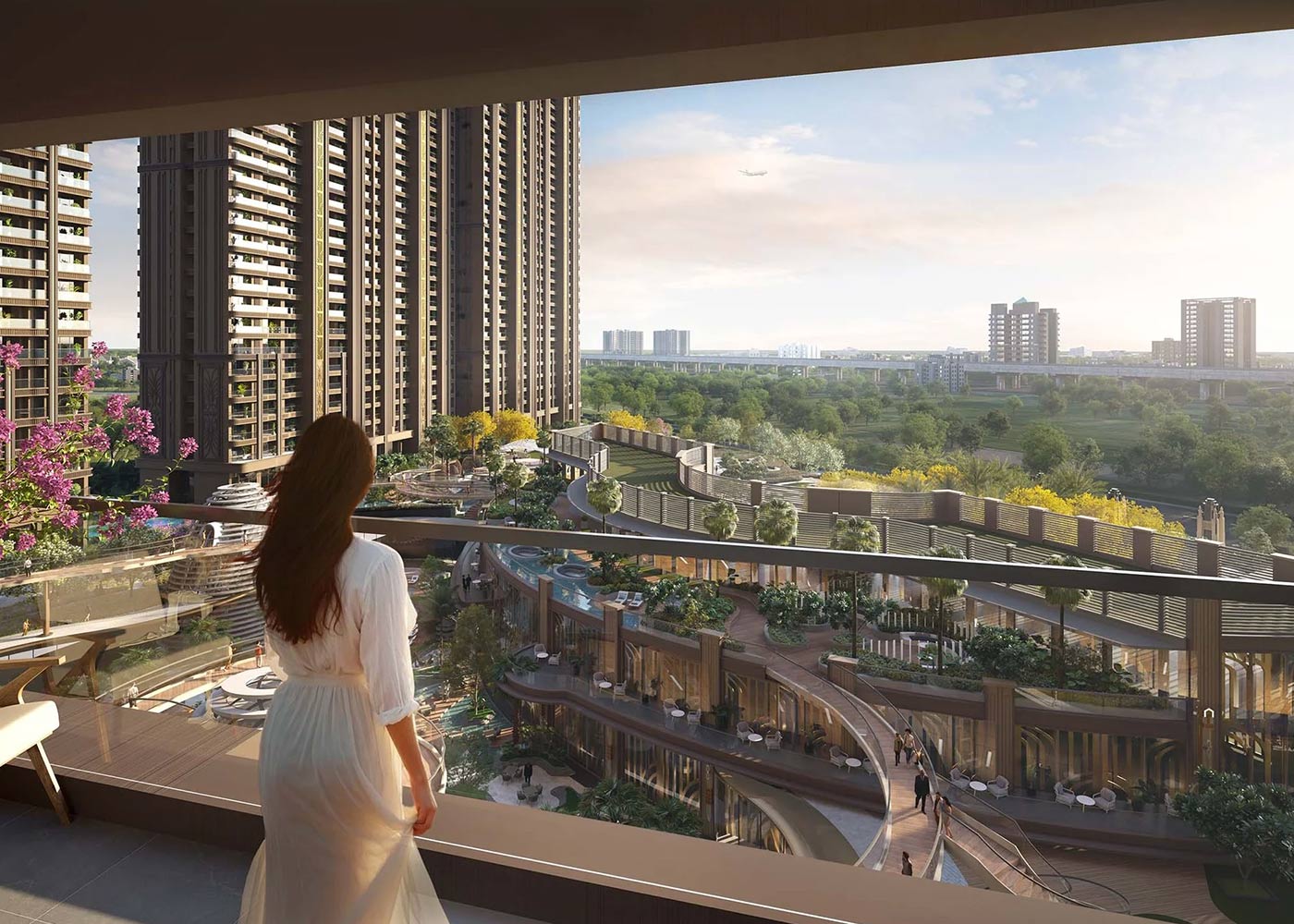
Walk through Sector 76 or Sector 103 on any weekend this year and you’ll notice something: the site visits haven’t slowed down. If anything, they’ve picked up pace. Whiteland Corporation, a developer that barely existed in most buyers’ vocabulary five years ago, has quietly become one of the names people bring up unprompted when the conversation turns to Gurgaon real estate. So what’s actually pulling buyers toward Whiteland’s projects in 2026, and is the interest backed by substance or just noise?
The branded residences bet is paying off
The single biggest shift in buyer psychology this year has been the appetite for branded homes, and Whiteland moved early on this. Its tie-up with Marriott International to bring Westin Residences to Sector 103 wasn’t just a marketing headline — it set up what’s being positioned as one of the largest branded residential developments in the country, spread across 20 acres with close to 674 three- and four-bedroom homes. For NCR buyers who’ve watched global cities like Dubai and Singapore normalize hotel-branded living, this feels less like a novelty and more like a category finally arriving in Gurgaon. Buyers aren’t just purchasing square footage; they’re buying into a managed lifestyle, a resale story, and in many cases a rental proposition that rides on the brand’s own reputation for service standards.
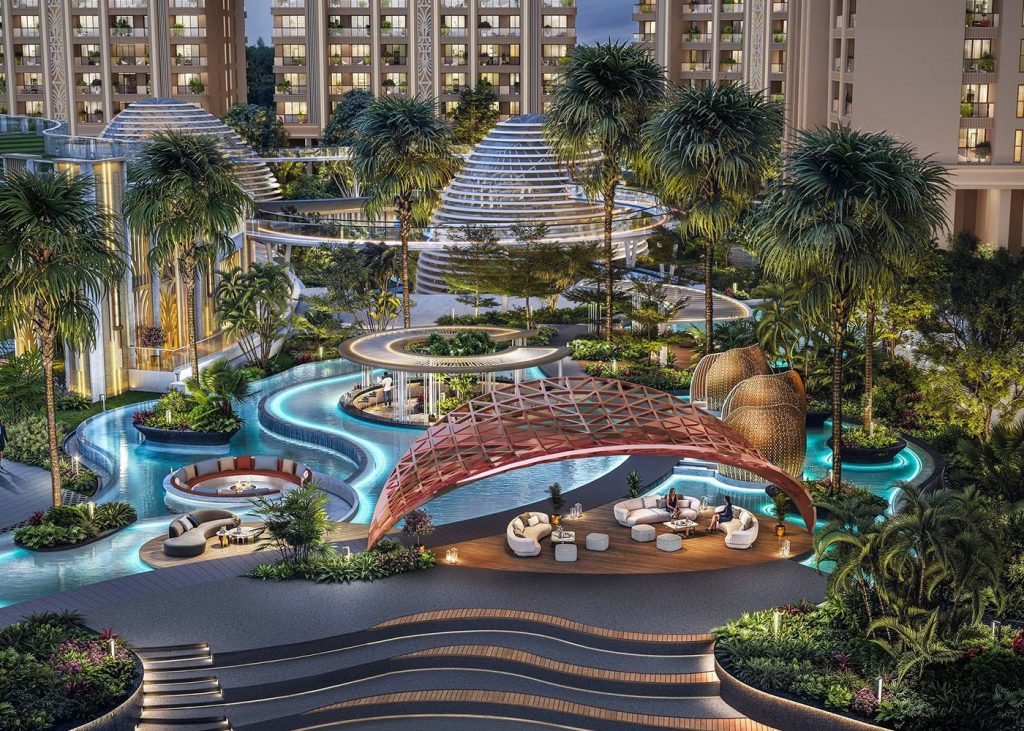
Dwarka Expressway’s payoff moment
Sector 103 and the broader Dwarka Expressway belt have spent the better part of a decade being described as “the next big thing.” In 2026, that description is starting to look accurate. With the expressway largely functional and connectivity infrastructure like the Clover Leaf interchange easing access toward IGI Airport and Delhi, the corridor is following a trajectory similar to what Golf Course Extension Road went through a decade ago — except this time buyers have the benefit of hindsight. Social infrastructure, retail, and schools are catching up fast, and that combination of improved connectivity plus early-stage pricing (relative to where the corridor is headed) is exactly the kind of setup that draws both end-users and investors at the same time.
A portfolio wide enough to cover different buyer intents
What’s notable about Whiteland’s current buyer base is that it isn’t one type of person. The Aspen in Sector 76 draws the classic upgrader crowd — families moving from older, more congested parts of Gurgaon into a newer high-rise with better amenities. Blissville, with its low-rise independent-floor format, appeals to buyers who want the privacy of a plot-style home without giving up gated-community security and shared clubhouse facilities. Westin Residences, meanwhile, is pulling in a different crowd altogether — NRIs, senior corporate executives, and investors chasing the branded-rental premium. Having three distinct product lines under one developer umbrella means Whiteland isn’t dependent on a single buyer segment staying hot; it’s diversified across the market’s different appetites.
Trust signals matter more than they used to
Post-2020, Gurgaon buyers have become far more diligent about verifying a developer before signing anything, and Whiteland has leaned into that shift rather than resisted it. All its major projects carry HRERA registration numbers that are independently checkable on the Haryana RERA portal, and the company has picked up a string of industry recognitions over the past two years, including honors at the International Property Awards and the Golden Bricks Awards. None of this replaces due diligence, but it does lower the friction for a buyer trying to decide whether a relatively young developer — Whiteland only began serious project launches around 2022 — is one to bet on.
The investment case is increasingly rental-driven
A pattern showing up repeatedly in 2026 buyer conversations is less about capital appreciation and more about yield. Branded inventory in Gurgaon has historically commanded meaningfully higher rentals than comparable non-branded luxury stock, largely because corporate tenants and expats are willing to pay for the predictability that comes with hotel-grade management. That’s turning Westin Residences, in particular, into something buyers are evaluating almost like an income asset rather than a pure lifestyle purchase — a shift that wasn’t nearly as pronounced in Gurgaon’s luxury segment even two years ago.
What buyers should still watch
None of this means the decision is risk-free. Whiteland is still in an execution phase — it hasn’t delivered a large-scale residential project yet, with possession timelines on current developments stretching out toward 2030 in some cases. Buyers weighing a purchase should treat construction progress, RERA compliance timelines, and escrow-linked payment schedules as non-negotiable checkpoints rather than formalities.
Put together, the interest in Whiteland’s Gurgaon projects in 2026 isn’t really about one factor — it’s the convergence of a maturing corridor, a genuinely new product category in branded residences, and a developer that’s been deliberate about building credibility rather than just inventory. Whether that momentum holds will depend on execution over the next few years, but for now, it’s clear why the site visits keep coming.